|
Ruth Feldstein
Screening Antiapartheid: Miriam Makeba, “Come Back, Africa,”
and the Transnational Circulation of Black Culture and Politics
Order this article (pdf)
Shari L. Dworkin, Amanda Lock Swarr, and Cheryl Cooky
(In)Justice in Sport: The Treatment of South African
Track Star Caster Semenya
Order this article (pdf)
Athena Edmonds
Anger Management Kit (Poetry)
Order this article (pdf)
Andrea Deagon
The Golden Mask: Tipping the Belly Dancer in America
Order this article (pdf)
Priyamvada Gopal
Speaking with Difficulty: Feminism and Antiracism
in
Britain after 9/11
Order this article (pdf)
Isis Nusair
The Cultural Costs of the 2003 US-Led Invasion of Iraq:
A Conversation with Art Historian Nada Shabout (Art Essay)
Order this article (pdf)
Revisiting Roe v. Wade: Anniversary Cluster
Carly Thomsen
From Refusing Stigmatization toward Celebration:
New Directions for Reproductive Justice Activism
Order this article (pdf)
Alison Piepmeier
"The Inadequacy of “Choice”: Disability and What’s
Wrong
with Feminist Framings of Reproduction
Order this article (pdf)
Dawn Laguens
Planned Parenthood and the Next Generation
of Feminist Activists
Order this article (pdf)
Alissa Quart
Green Fairy; Obscene Supplement (Poetry)
Order this article (pdf)
Barbara Sutton and Elizabeth Borland
Framing Abortion Rights in Argentina’s
Encuentros
Nacionales de Mujeres
Order this article (pdf)
Karen Weingarten
Talking Sex: The Rhetorics of Reproduction,
Sex Education,
and Sexual Expression in the
Modern United States (Review Essay)
Order this article (pdf)
Christine Labuski
Vulnerable Vulvas: Female Genital Integrity
in
Health and Dis-ease
Order this article (pdf)
Sarah-Jean Krahn
The Impersonal is Poclitical (Poetry)
Order this article (pdf)
News and Views Forum
Poulami Roychowdhury
“The Delhi Gang Rape”: The Making of International Causes
Order this article (pdf)
Debolina Dutta and Oishik Sircar
India’s Winter of Discontent: Some Feminist Dilemmas
in the Wake of a Rape
Order this article (pdf)
Cover Art
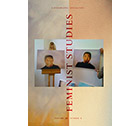
Front and Back Cover: Digital blend of Self Portrait II, 2012, by Hanaa Malallah; and title and date unknown, by Madiha Omar.
|
-Corner.gif)